
The key to achieving the Government’s 5 missions? Culture!
Here at the Culture Network LCR we know the power of Culture, and on this matter in particular we can prove it!
We’re highlighting here how our Culture Network LCR Members use culture to contribute to Economic Growth, Clean Energy and Sustainability, Taking Back Our Streets, Breaking Down Barriers to Opportunity, and Health and Wellbeing (the Government’s 5 Missions).
We’ve compiled a small selection of impactful Case Studies from our Members to showcase our sector’s achievements and that are driving meaningful change. These examples are just the tip of the iceberg – stay tuned as we continue to build our evidence bank!

Culture Network LCR Case Study #1
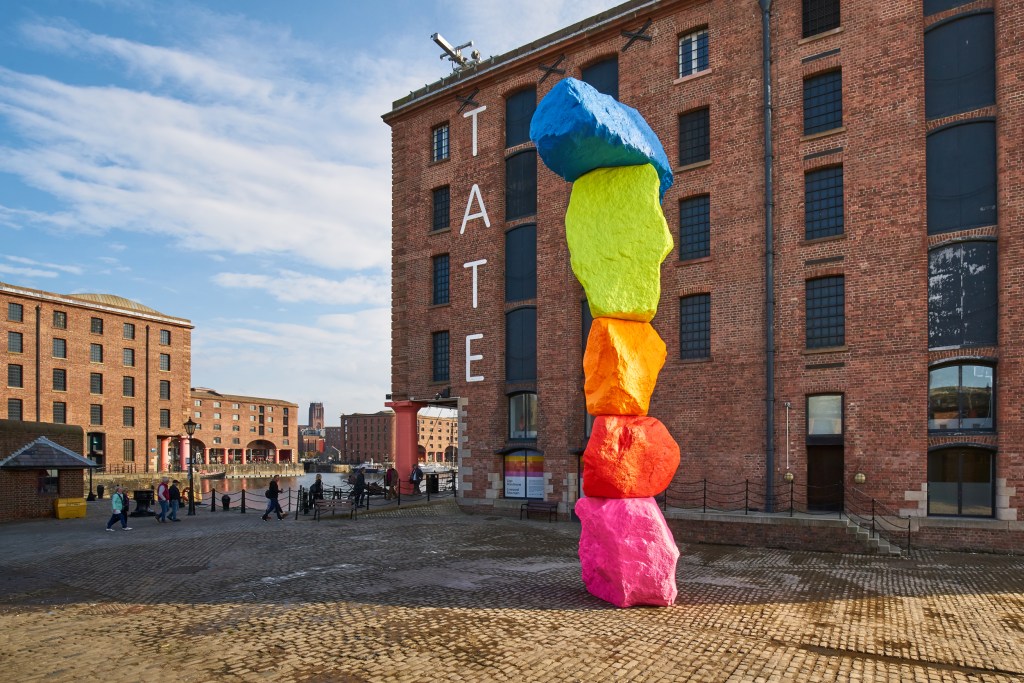
Tate Liverpool
Tate Liverpool’s arrival awakened Liverpool’s cultural ambitions, and is widely credited with spearheading the regeneration of Royal Albert Dock and the city beyond. It became the blueprint for many new regional art galleries. 36 years and 20 million visitors later, it remains a lynchpin in Liverpool’s £6bn tourism industry.
Culture Network LCR Case Study #2
Liverpool Philharmonic
Liverpool Philharmonic is the home to the UK’s oldest orchestra. It is a significant employer of local people across a variety of disciplines and attracts skilled workers and musicians from across the globe. It also plays a key part of the local supply chain, and the large audience numbers boost the local economy through hotels and restaurants.
Culture Network LCR Case Study #3
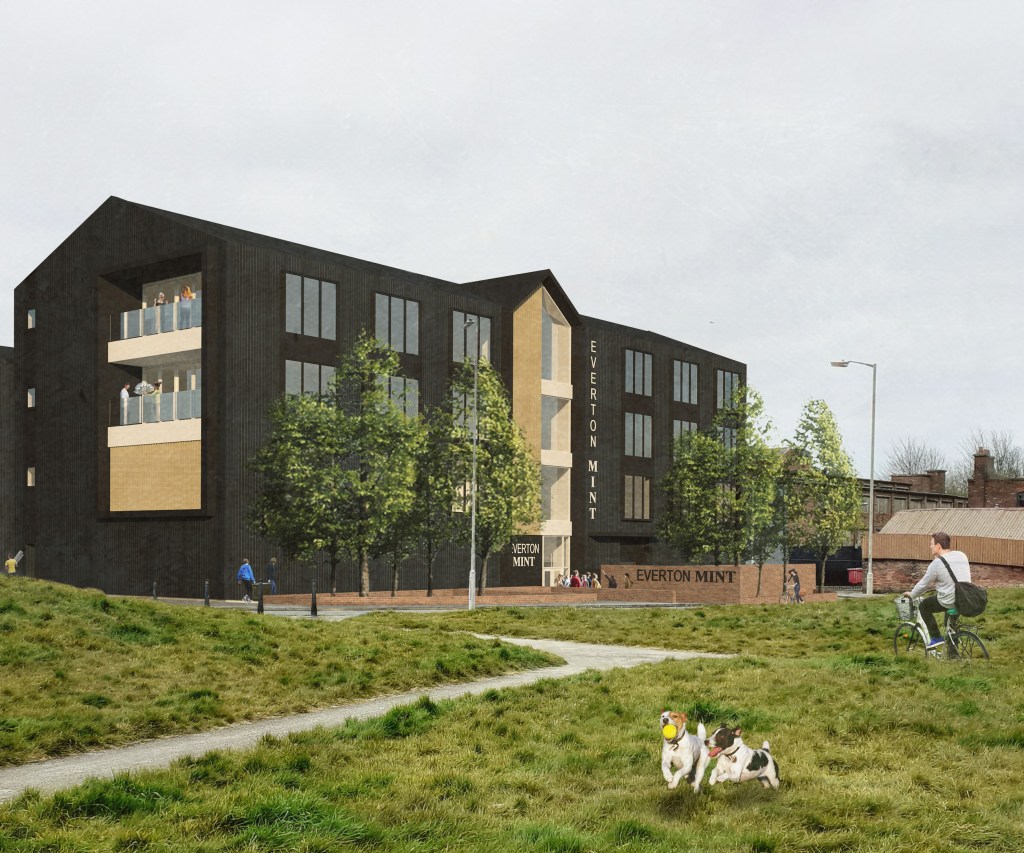
Liverpool’s Royal Court
The £5.5m Everton Mint will create a dynamic theatre, TV and film production facility and training academy in Everton, one of the Liverpool City Region’s most deprived areas.
Culture Network LCR Case Study #4
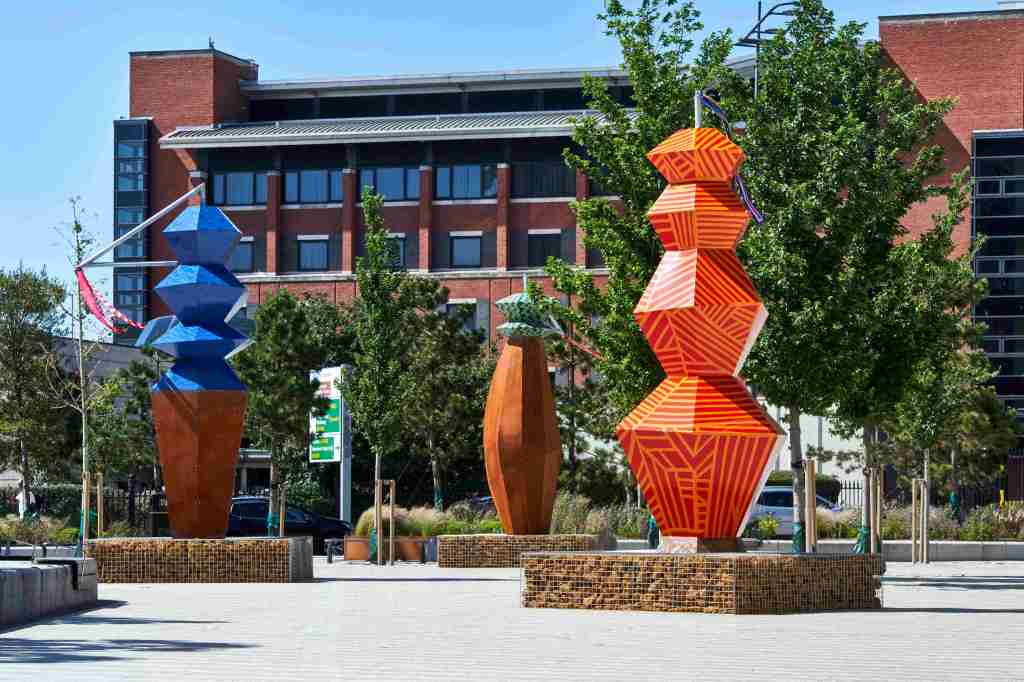
Liverpool Biennial
‘Merseyside Totemy’ (2021) was a public artwork that visualised statistics related to the impact of the climate crisis on the Liverpool City Region, an area at high risk from rising sea levels. Biala worked with over 100 children schools across Merseyside to design and build their own totems from recycled materials.
Culture Network LCR Case Study #5
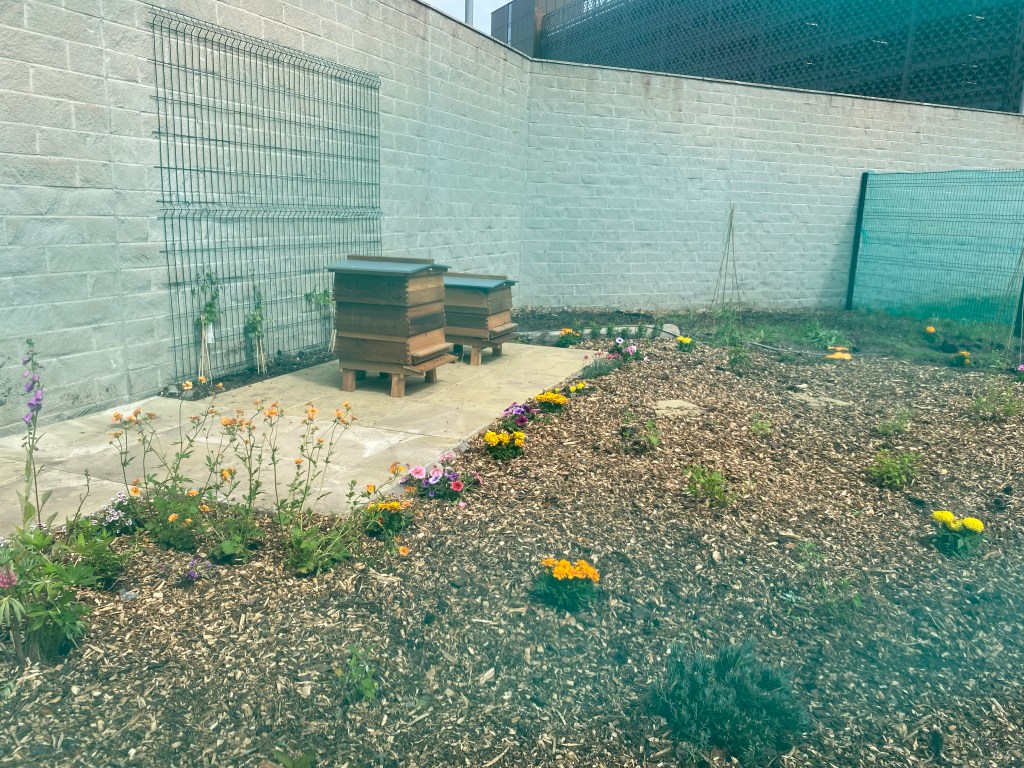
ACC Liverpool
Our aim is to be carbon free by 2030 and this year we became carbon neutral. Our lighting is LED and hot water boilers have been replaced with air-sourced heat pumps. This project is expected to save more than 4,200 tonnes of carbon over its lifetime. We’ve increased our biodiversity on site and are home to two beehives housing 140,000 honeybees.

Culture Network LCR Case Study #6
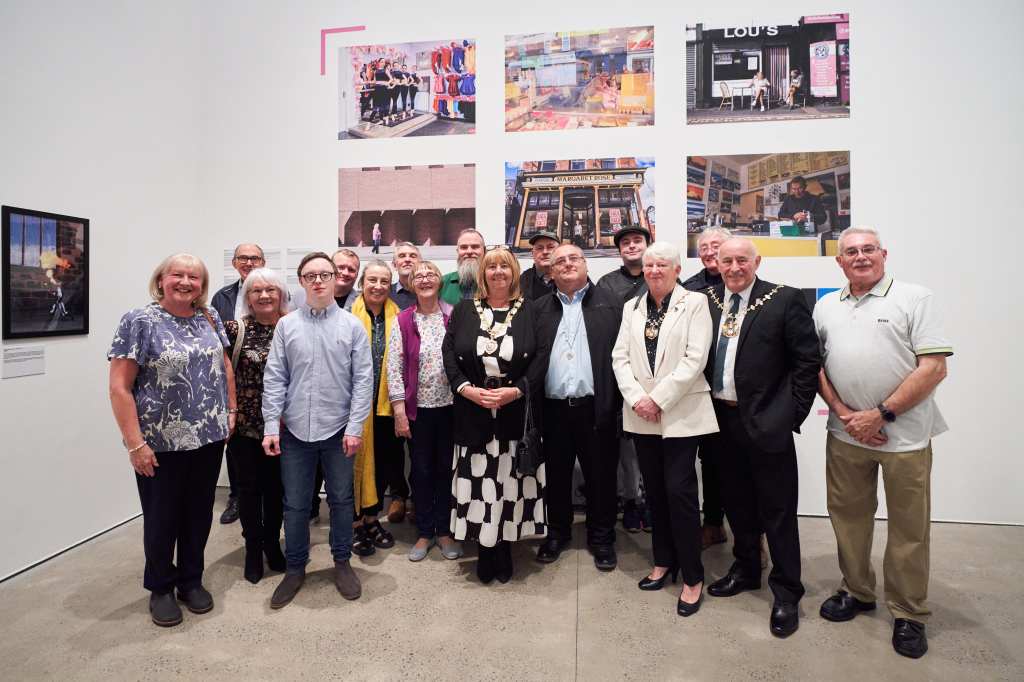
Open Eye Gallery
The Creative Neighbourhoods programme is a collaborative project that uses co-creative practices to addresses the needs of each community at neighbourhood level. This programme is about creative place-making while platforming local voices and stories. Socially engaged projects were based in Chester, Prescot, County Road and Croxteth.
Culture Network LCR Case Study #7
Bluecoat
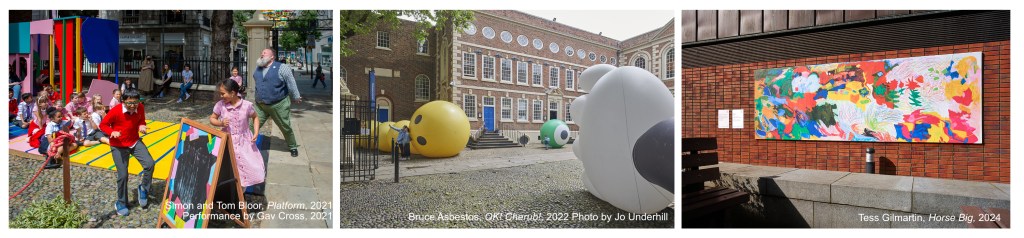
Bluecoat’s outdoor commissions have contributed to taking back our streets, making Liverpool feel safer. Bright, positive billboard commissions by different artists, alongside permanent paintings, have reflected on themes of beauty, identity, belonging, community and solidarity. All of which has combined to bring people together and create an atmosphere of a safe and friendly city centre.
Culture Network LCR Case Study #8
Heart of Glass
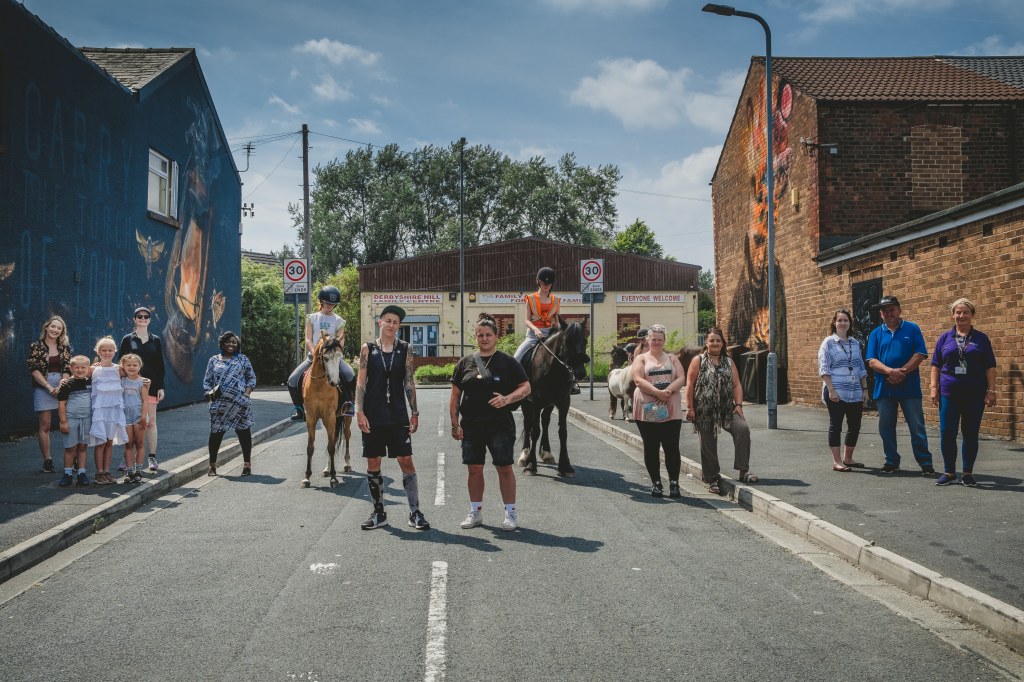
Since 2021, Heart of Glass has brought together internationally known women and LGBTQIA+ artists with communities to create 12 public artworks across some of the most deprived neighbourhoods in Merseyside. Each artwork is unique to the location and the people involved, supporting residents to make a mark on their neighbourhoods, come together, meet new friends and develop new creative skills.
Culture Network LCR Case Study #9
Random Acts of Wildness Disability
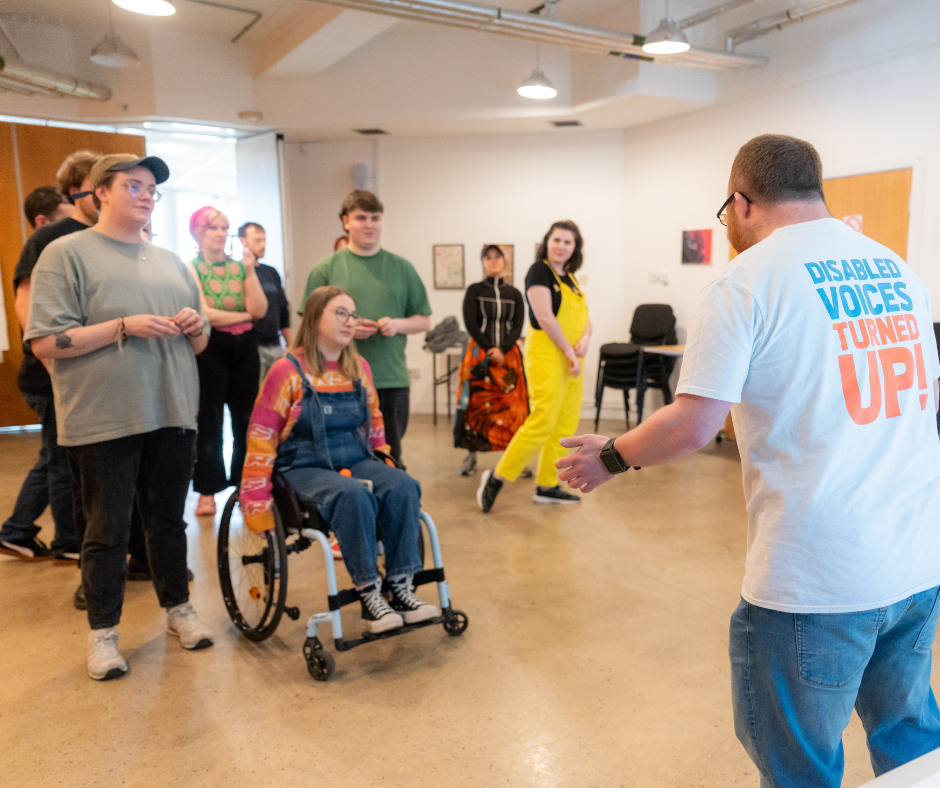
The RAWD Facilitator Training Programme aims to empower disabled artists to become inclusive workshop leaders over a six-month period. Only 5% of the cultural workforce consists of disabled individuals. This paid program seeks to enhance access, education, and employment for ten disabled participants. It includes group training days, one-on-one mentoring, shadowing, and practical work experience.
Culture Network LCR Case Study #10
FACT
The Imaginists Society is a digital art programme aimed at empowering teenagers from deprived areas in Liverpool, to express their thoughts on power, identity, and systems of control through collaborative art and creative technology. The project began with three key questions: how would you redesign Liverpool for your community? What does your world need? What rules does your world have?
Culture Network LCR Case Study #11
20 Stories High
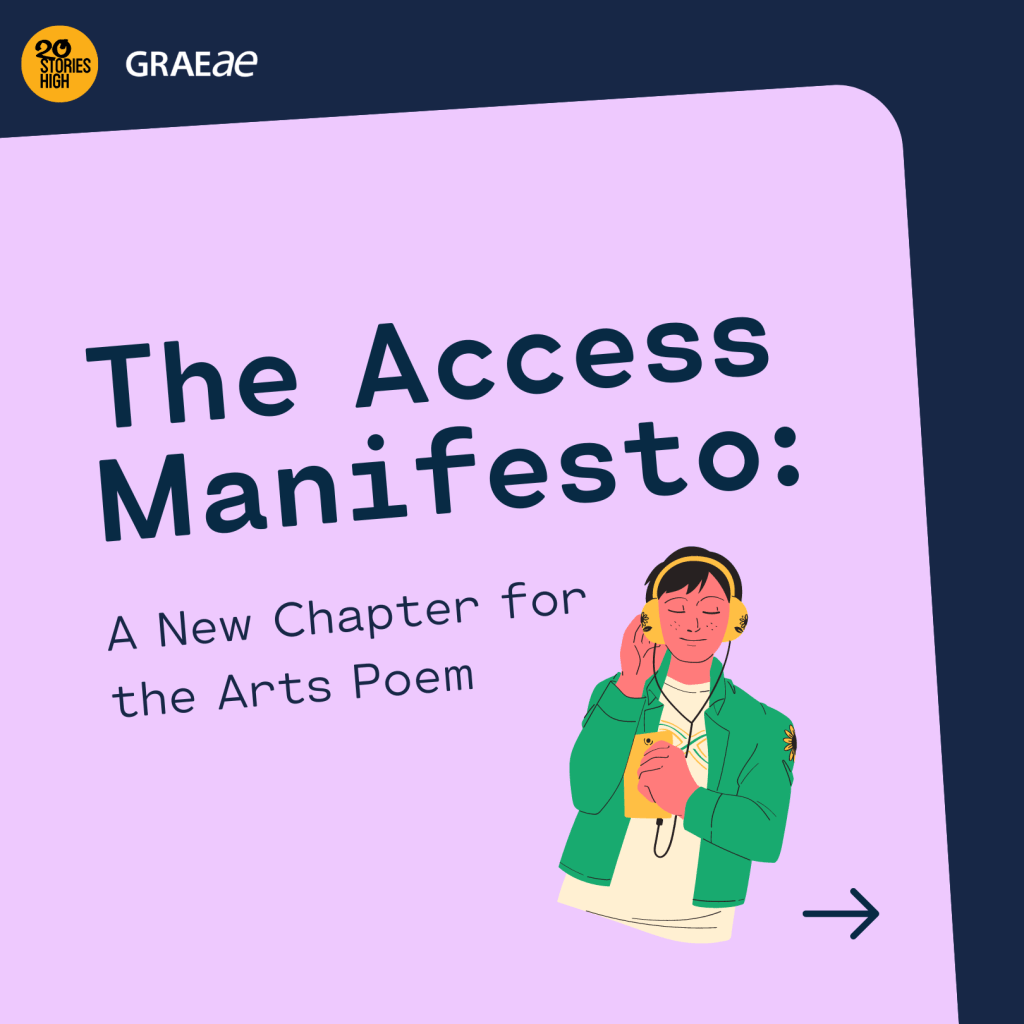
We worked with over 60 Deaf, Disabled, and neurodivergent young people from across the country to create the Access Manifesto: a new chapter for the arts. The Access Manifesto is our response; a beacon of change, developed by those directly impacted, to inspire and guide the arts sector towards a more inclusive future.
Culture Network LCR Case Study #12
dot-art
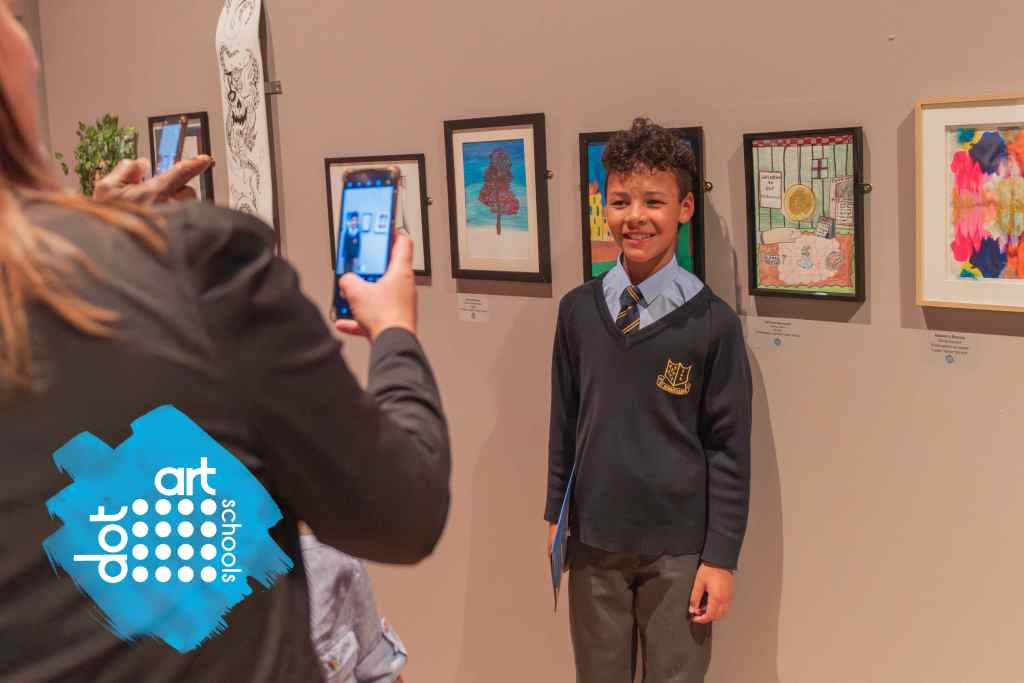
dot-art Schools is an online, inter-school art competition, culminating in an exhibition of the winning artworks and prize-giving celebration. Designed to nurture talent, raise aspiration and break down barriers to opportunity, to date over 12,000 children have taken part.

Culture Network LCR Case Study #13
Wired Aerial Theatre
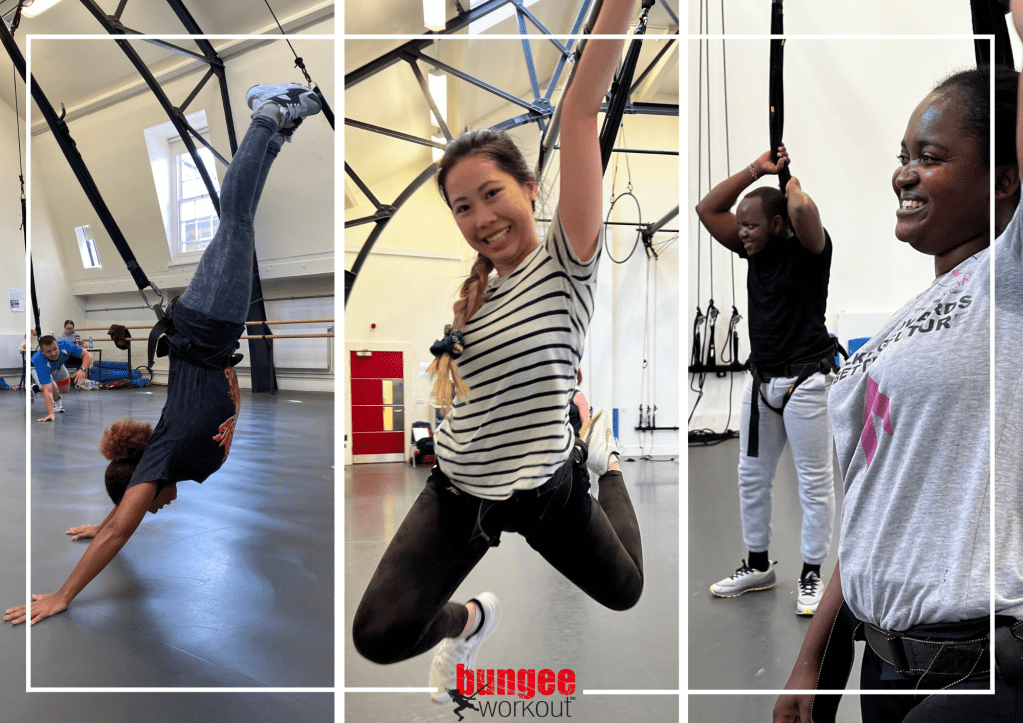
The GOGA Bungee Workout™ programme is aimed at boosting participants’ social, emotional, and physical wellbeing, through a five-week bungee-assisted workout. Research shows a 1.2% decrease in body fat, improved emotional wellbeing, relaxation and energy levels, enhanced leg strength and increased engagement in physical activity.
Culture Network LCR Case Study #14
Wonder Art
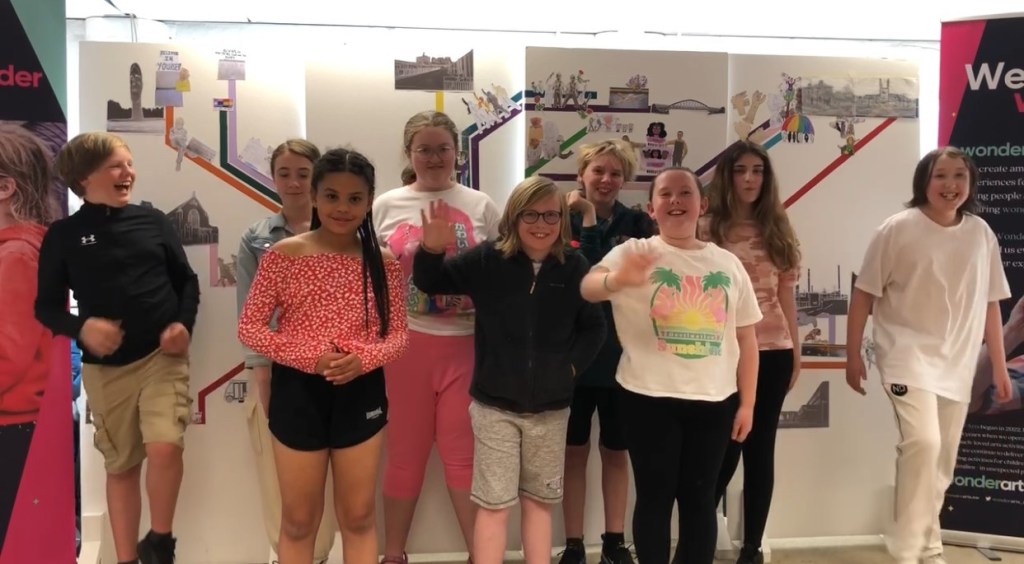
54 Young Wonders participatory sessions have been delivered, over a third of which were co-created. Participants’ levels of wellbeing have increased over the course of their involvement, with their happiness levels increasing. Well-being indicator (life satisfaction or happiness) at the start of their involvement was 58% and increased to 64% by the end of involvement with the project.
Culture Network LCR Case Study #15
National Museums Liverpool
The House of Memories dementia awareness programme works in partnership with museums and community organisations across the UK, most recently House of Memories Cymru as dual language version, in partnership with museums in Wales. It is a museum-led dementia awareness programme offering training, access to resources, and museum-based activities to enable carers to provide person-centred care for people living with dementia.
 The Culture Network LCR